
How Often Should a Chimney Actually Be Swept?
There is no single interval that fits every flue. A wood stove burned hard all winter can need a second cleaning before spring; a gas log set might go years without producing enough soot to matter. The real schedule follows the fuel and how hard it gets used.
The direct answer
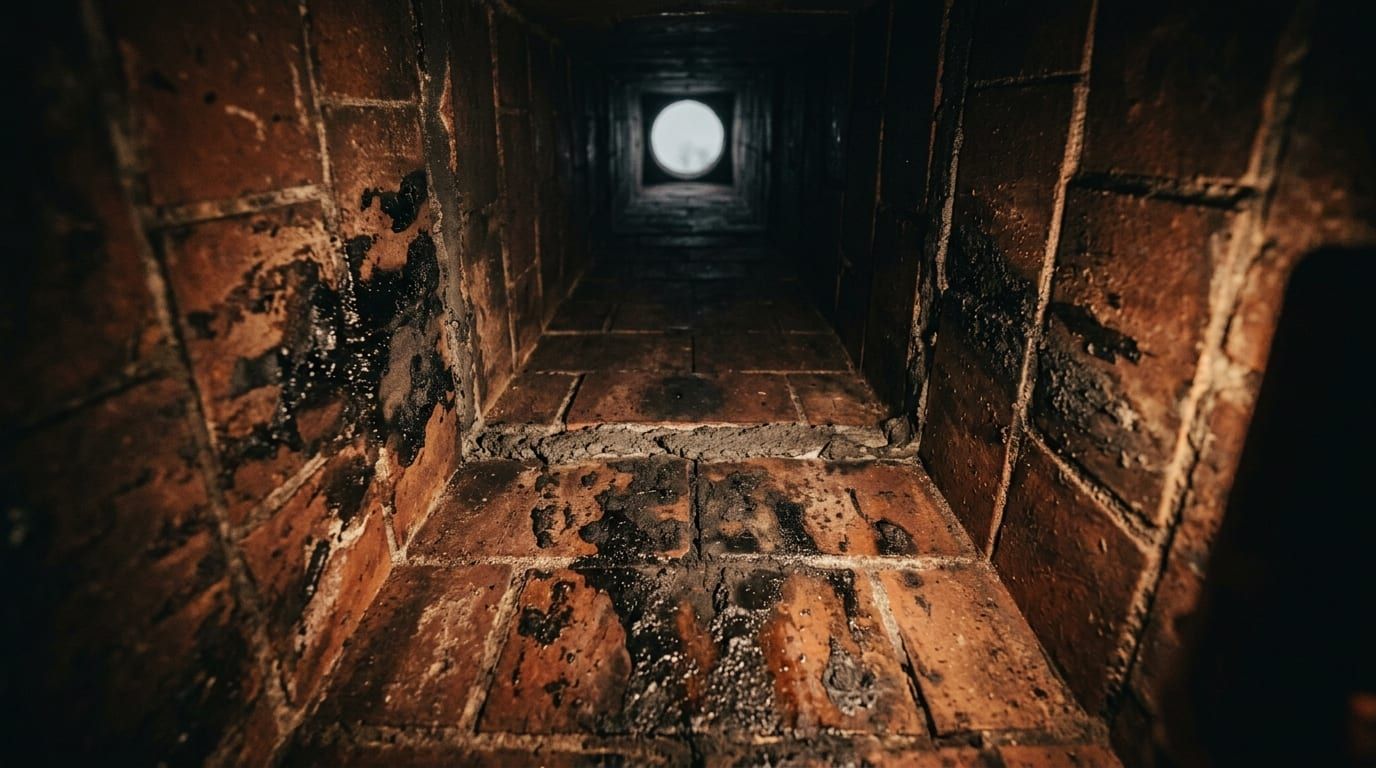
NFPA 211 sets the floor for every fuel type: chimneys, fireplaces and vents should be inspected at least once a year, and swept whenever that inspection finds enough creosote, soot or blockage to matter. What changes by fuel is how often the inspection finds something. A wood-burning fireplace or stove used through a full New Jersey heating season can build enough creosote to need a mid-winter cleaning on top of the pre-season sweep. A gas log set that has never burned wood produces very little soot and can sometimes go two or three years between cleanings, though the flue itself — cap, damper, termination — still needs the annual check. A fuel-oil furnace or boiler sits in between: no creosote, but an acidic soot and scale a yearly inspection exists to catch before it damages an unlined liner. The honest answer for your chimney is the schedule your fuel and your actual use have earned, checked at minimum every year.
Wood heat is the one fuel that writes its own calendar
Burn wood and the chimney keeps a record of it. Every fire leaves unburned particles that condense on the flue wall as smoke cools, and over a full heating season that residue can move from a dry dusting to a hardened, glazed layer a brush alone will not remove. NFPA has identified failure to clean — creosote from solid-fuel burning most of all — as a leading contributing factor in home heating fires, which is why ‘once a year’ is a floor, not a target, for anyone actually burning wood.
- A fireplace lit occasionally on cold evenings: one sweep before the season starts is usually enough.
- A wood stove run as a daily or near-daily heat source all winter: plan on a mid-season check, not only a pre-season one.
- Green or unseasoned wood, or a fire regularly damped down for a slow overnight burn, both speed up the buildup regardless of how many fires you actually light.
Gas logs run cooler and cleaner, but the flue still needs eyes on it
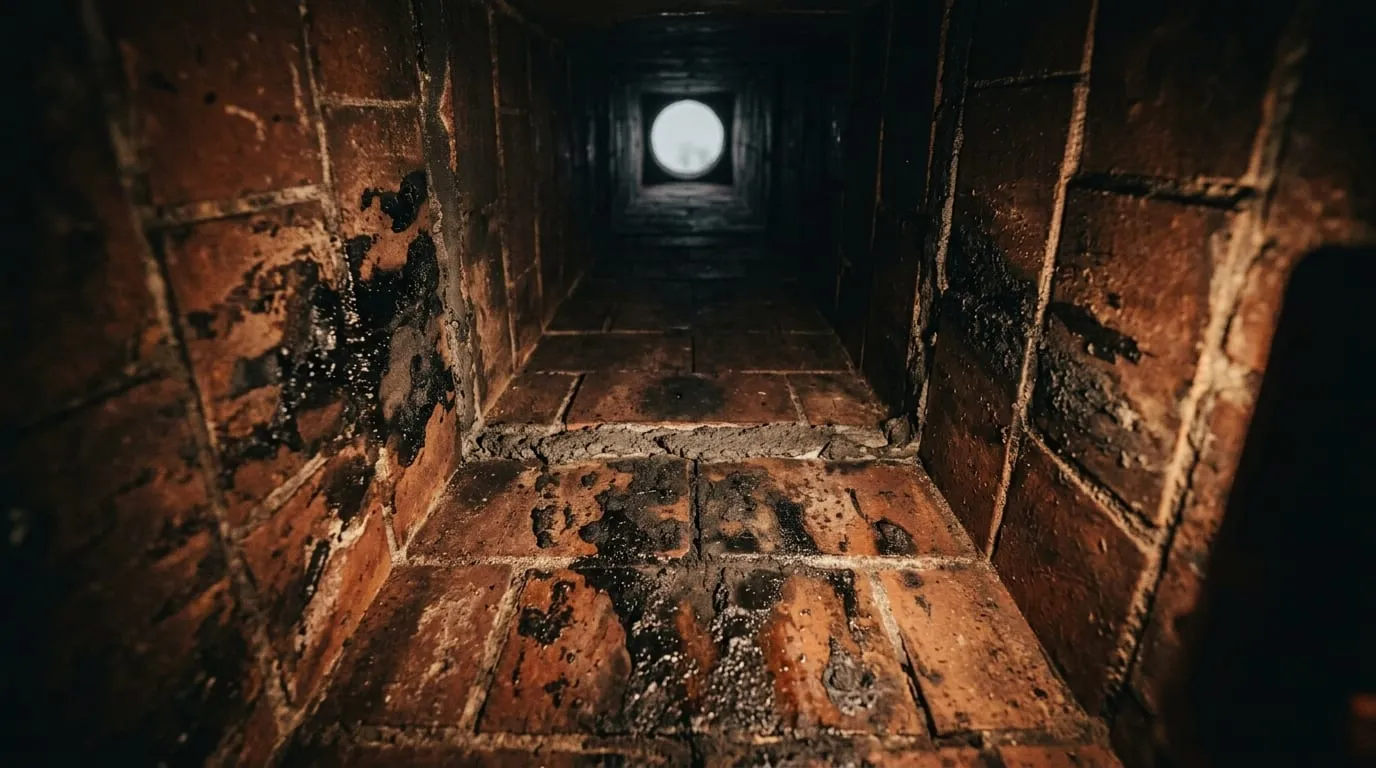
A vented gas log set or a factory-built gas fireplace burns far cleaner than wood — there is no creosote to speak of, and what soot does form is a light film rather than a hardened deposit. That is genuinely why a gas-only chimney can often go two to three years between cleanings without harm. It is not a reason to skip the annual inspection NFPA 211 calls for on every fuel type: birds and squirrels nest in unused caps, spiders build webs across pilot orifices, and a dented or blocked termination cap turns a clean-burning appliance into one that spills exhaust back into the room. The interval stretches with gas; it does not disappear.
Oil-fired equipment: no creosote, still an annual obligation
Oil produces a soot that behaves nothing like wood creosote — it is acidic, and over years it glazes onto a liner and works at the mortar joints behind it. Bridgewater Township still has 417 households heating with fuel oil and another 228 on bottled or tank LP gas, alongside 84.6 percent on utility gas — enough oil equipment in service that an annual sweep is not a formality here. It matters most the moment an oil system gets replaced: New Jersey’s own chimney verification paperwork requires the installer to confirm the existing flue is clear of prior residue and correctly sized for the new appliance, exactly what an overdue sweep would already have answered.
- An active oil furnace or boiler: annual sweep and inspection, same as wood, for a different reason — acid and scale instead of flammable creosote.
- Switching an oil system to gas: have the flue swept and checked as part of the conversion, not after the new appliance is already running.
How hard you use it moves the number as much as what you burn
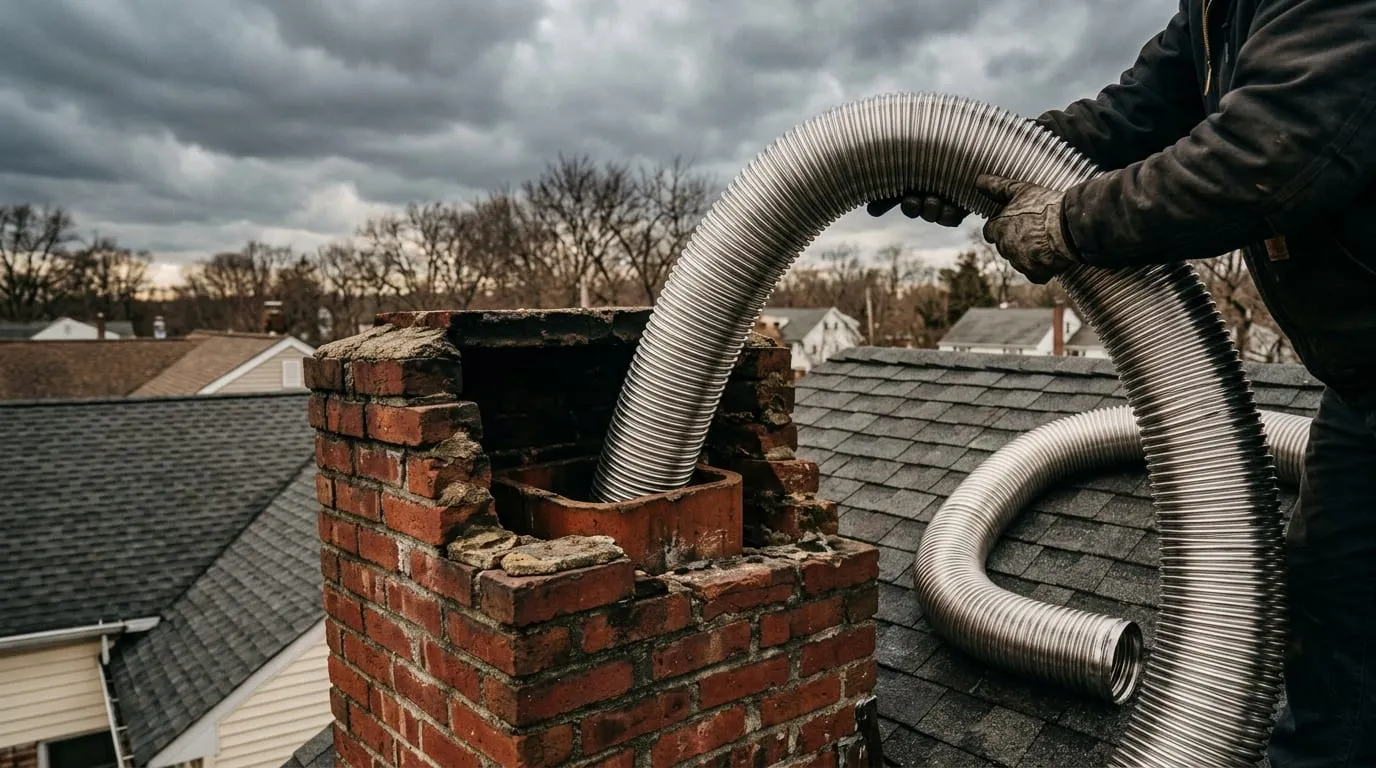
Two households burning the identical fuel can need different schedules once actual use enters the picture. A fireplace lit for atmosphere a dozen evenings a winter and a wood stove serving as the main heat source are not on the same calendar, even though both count as ‘wood heat.’ The same logic holds inside one house with more than one appliance — a furnace flue and a fireplace flue age at different rates. Usage isn’t always what the fuel numbers suggest, either: Somerset County counts only 209 households burning wood as a primary heat source, a figure that, by definition, says nothing about houses burning wood for supplemental or occasional heat.
- Primary heat source, used daily through the season: check mid-winter in addition to the annual sweep.
- Supplemental or occasional use: the annual sweep still applies, even if the fireplace only sees a handful of fires.
- More than one flue in the house: schedule each appliance on its own interval rather than one combined visit.
Signs the calendar should move up, whatever the fuel
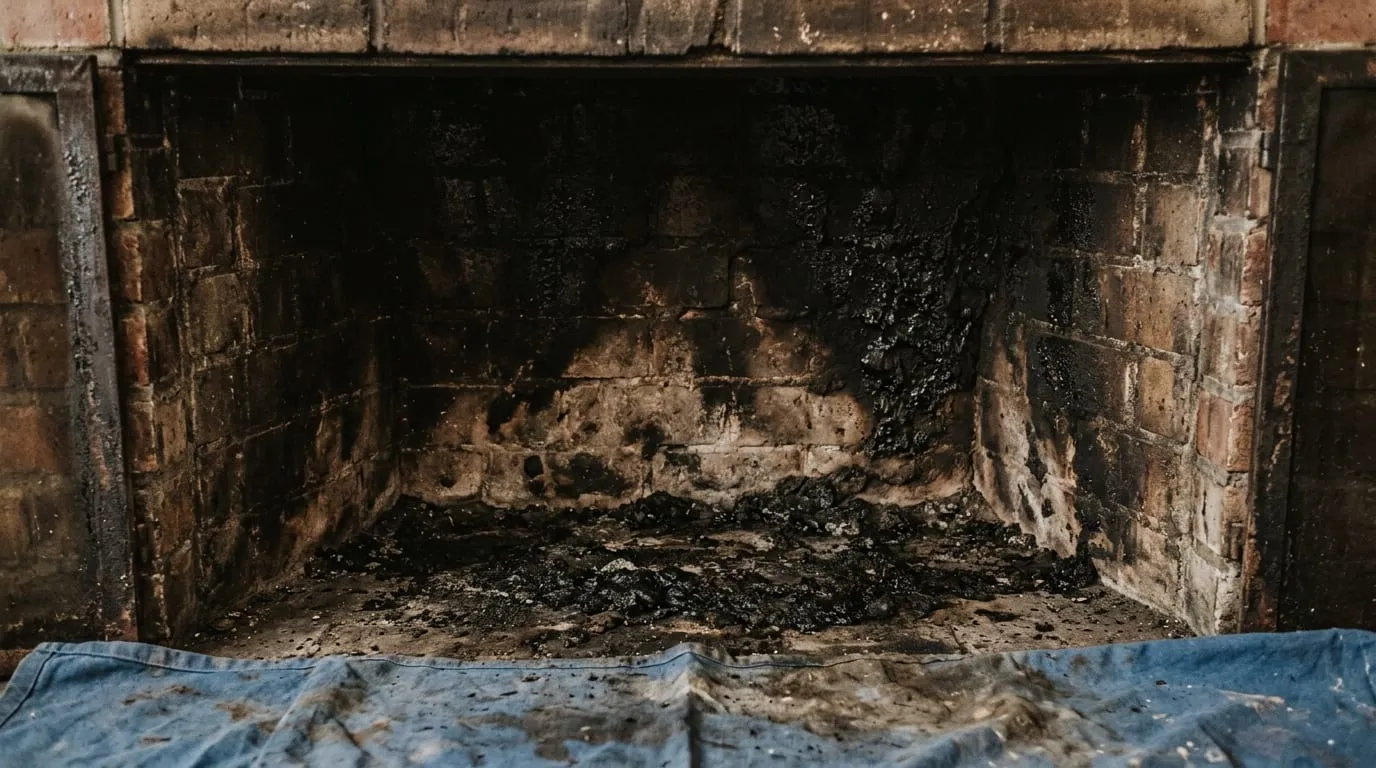
A handful of signals matter more than a date on the calendar. Smoke that smells stronger than usual, or that drifts into the room instead of drawing up the flue, points at a chimney that needs attention now, not at the next scheduled visit. So does a fire that has newly gone hard to get drafting, especially when nothing about the wood or the weather has changed. Buying a house is its own trigger: a chimney with no maintenance record behind it should be swept and inspected before it is used for the first time, whatever the previous owner says was burned in it. None of that replaces the annual minimum — it is simply what moves a sweep earlier than the calendar would have called for on its own.
Frequently asked questions
Is once a year enough if I only burn gas logs?
Usually — the appliance itself produces very little soot. What the annual visit checks on a gas-only chimney is the cap, the termination and the flue path for nesting, debris or damage, which NFPA 211 calls for regardless of fuel.
We use our wood stove every day in winter — is annual still enough?
Not on its own. A wood stove used as a daily heat source through a full season is the case NFPA 211’s ‘at least’ is written for. Plan on a pre-season sweep and a mid-winter check as well.
Does an oil furnace flue need sweeping if there has never been a wood fire in it?
Yes. Oil combustion leaves an acidic soot and scale that has nothing to do with wood creosote, but it still works at an unlined or aging liner over time, so the annual inspection applies to oil equipment too.
We just bought a house and have no idea when the chimney was last swept — what now?
Treat it as overdue. Have it swept and inspected before the first fire of the season, regardless of what the previous owner tells you — an unknown history is the one case where waiting for a sign of trouble is not the safer option.
Not sure which schedule fits your chimney?
Tell us what you are actually burning and how often, and we will tell you plainly whether that is an annual sweep, something sooner, or an inspection first. No guessing from a form — just a conversation with someone who answers the phone.
Keep reading
The Three Stages of Creosote, and What They Mean
How creosote builds up inside a wood-burning flue, from a light dusting to the glazed stage a brush cannot remove.
Read the full articleOil to Gas and the Oversized Flue
What happens to an old masonry chimney once the furnace behind it switches from oil to gas.
Read the full articleLevel 1 or Level 2 Chimney Inspection?
The difference between a routine sweep’s inspection and the more thorough one ordered after a sale.
Read the full article