Level 1 vs. Level 2 Chimney Inspection: What Bridgewater Homeowners Need to Know
A Level 1 inspection covers what a flashlight already reaches. A Level 2 adds a video camera run down the whole flue and a signed report — and in Bridgewater it tends to come up right when a closing date, an insurance claim or a furnace quote is already on the calendar.
The short answer
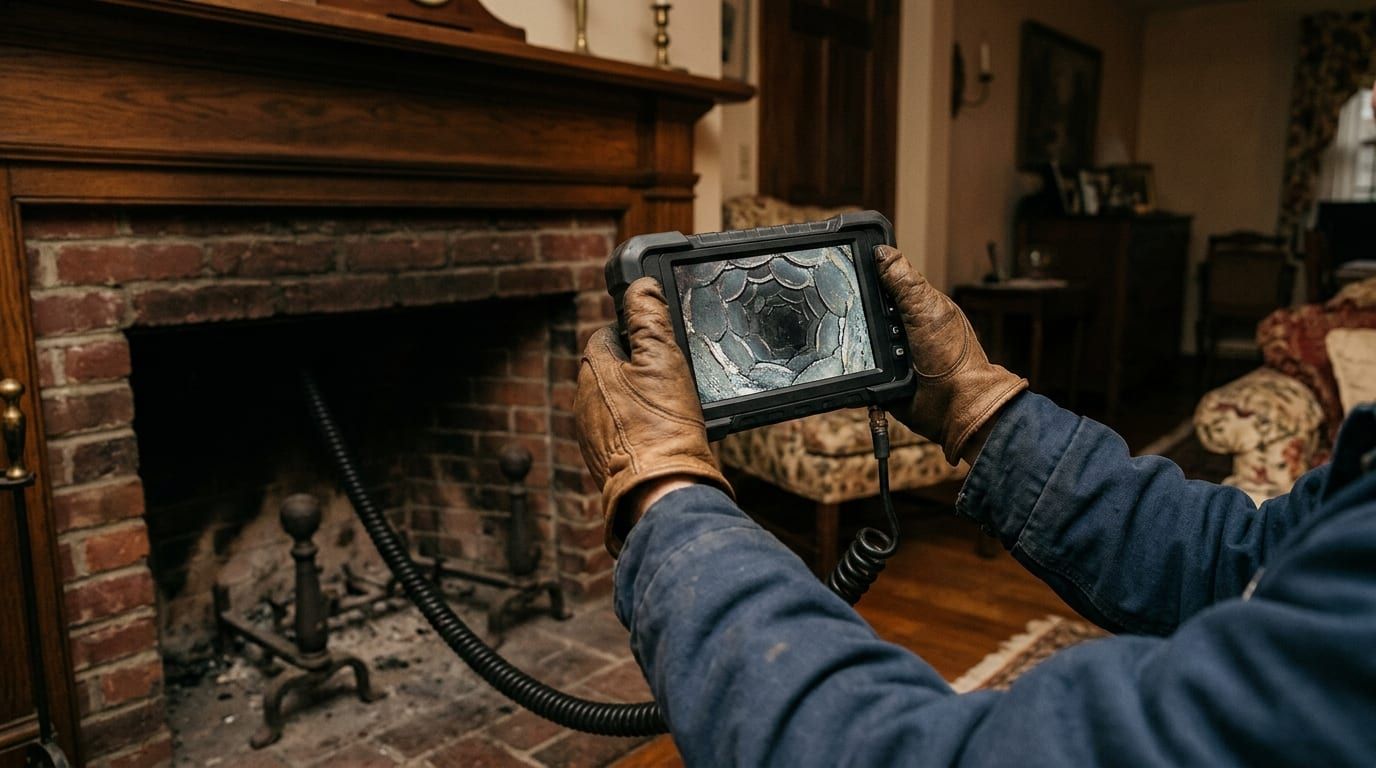
Ask for a Level 1 when nothing about the chimney has changed and it is simply due for its yearly look — the technician checks the firebox, the damper, the reachable flue and the outside of the stack from the ground. Ask for a Level 2, which adds a video scan of the entire liner plus a written, photographed report, before a home sale closes, after any chimney fire no matter how small, following a fuel or appliance swap, or after a storm, strike or tremor that could plausibly have moved the structure.
What a Level 1 Inspection Actually Reaches
A Level 1 is the routine visit for a chimney that has not changed and is not about to be relied on for anything unusual — same appliance, same fuel, another ordinary heating season ahead. The technician works from the firebox and hearth, checks the damper and the smoke shelf above it, follows the flue as far as it stays open to view, and looks at the crown, cap and flashing from the roofline where it is safe to stand. It confirms the structure is sound as far as the visit can actually see.
- The firebox, the damper and the smoke shelf immediately above it
- The flue’s accessible run, checked for creosote depth and obstruction
- The crown, cap and flashing, viewed from the roof where it is safe to stand
- The connection between the appliance and the chimney it vents into
What Changes Once a Camera Goes Down the Flue
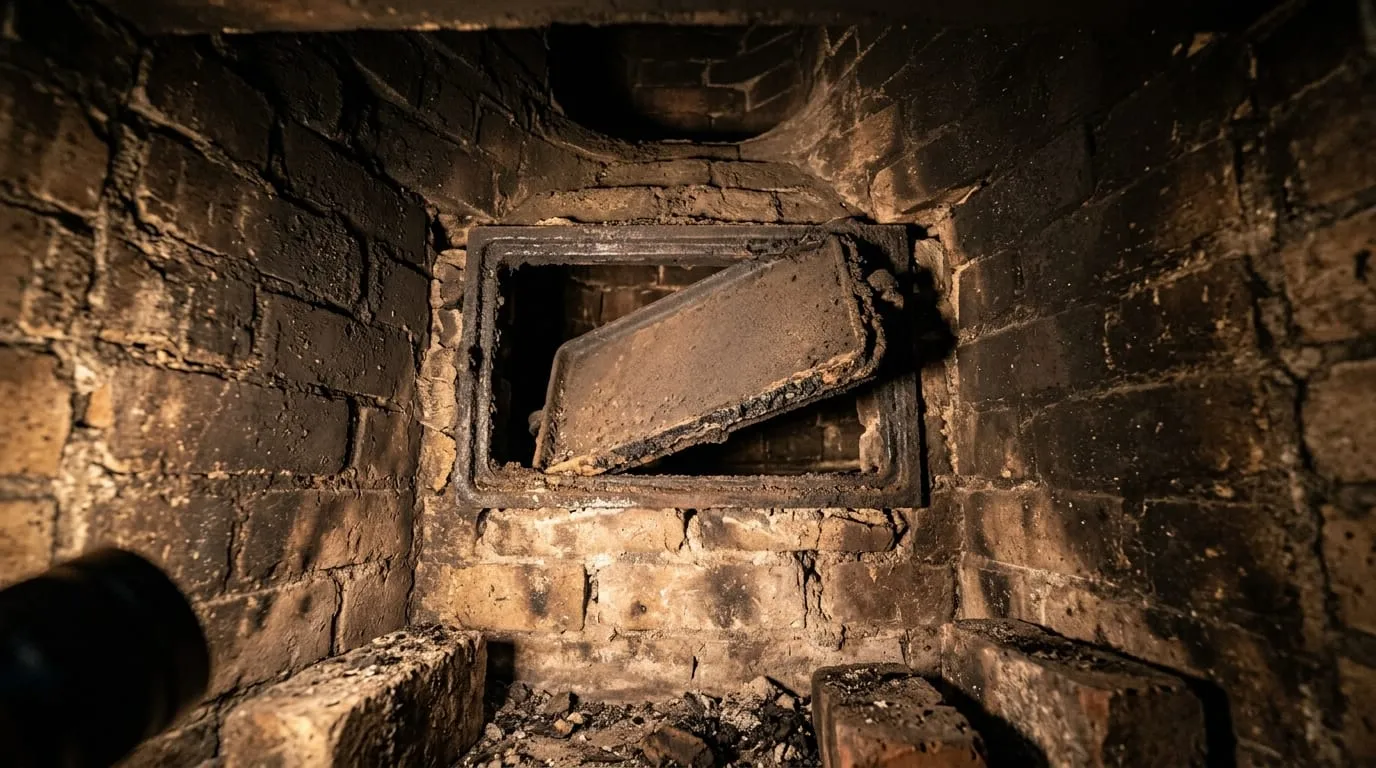
A Level 2 keeps everything a Level 1 does and adds a video camera run down the entire length of the liner, including the sections sealed behind walls, floors and roof framing where nothing is visible from either end. The scan reaches into the smoke chamber, follows every flue inside a shared masonry stack back to the specific appliance it actually serves, and checks the accessible attic, basement or crawlspace runs the flue passes through along the way. NFPA 211, the national maintenance standard the trade is built around, calls for this deeper look after a property changes hands, after any event that could plausibly have damaged the chimney, or whenever the appliance, the fuel or the venting itself is about to change.
New Jersey’s Own Paperwork Points at the Same Moments
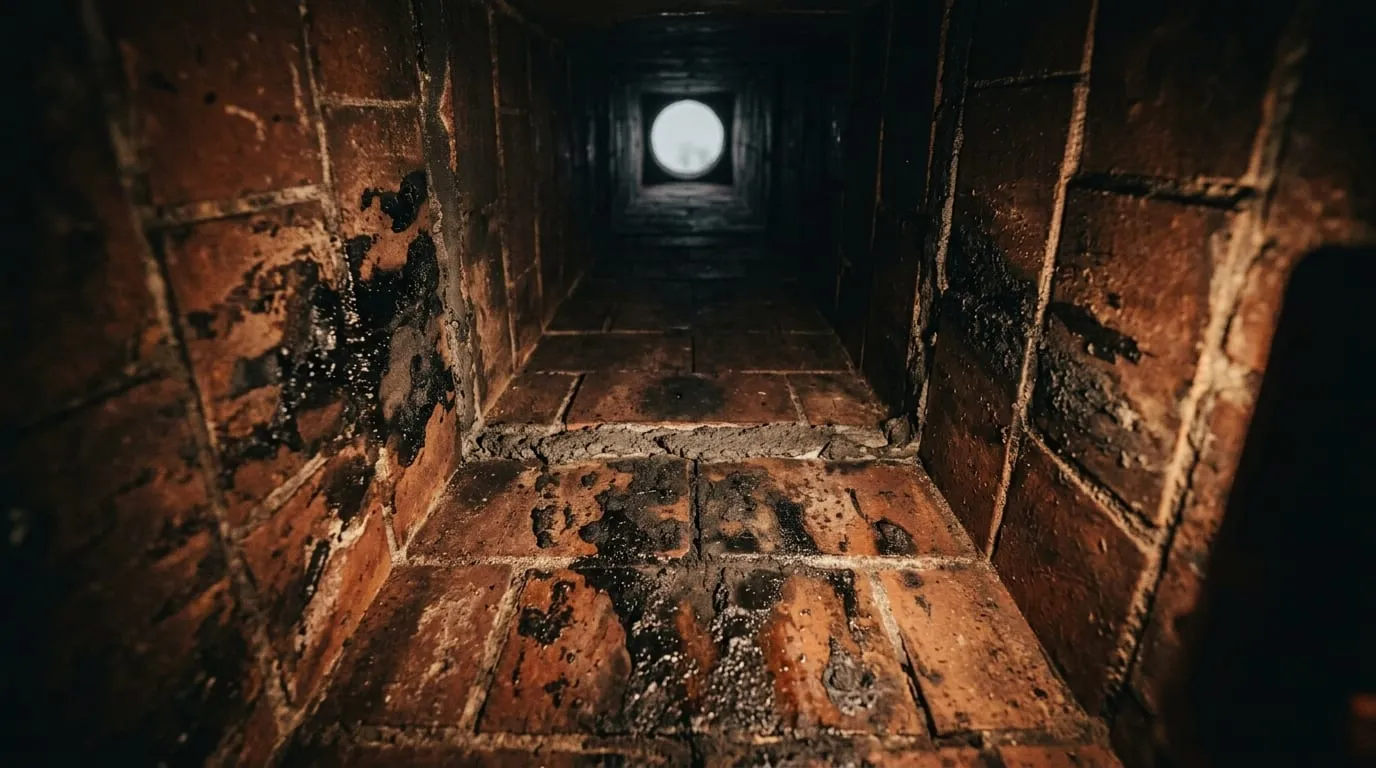
New Jersey does not use the words Level 1 or Level 2 on a permit. Its Uniform Construction Code instead requires, on state form F370, that whoever installs new fuel-fired equipment — a furnace, a boiler, a water heater — certify in writing that the connected chimney is appropriately lined and sized for that equipment and, where relevant, substantially clean of residue from whatever it served before. That is a narrower promise than a full camera scan: a contractor can sign F370 from the connection point without ever running a lens down the whole liner. That gap — an oil-to-gas conversion is exactly the moment NFPA 211 calls for the fuller Level 2 look — is why it is worth asking for one before that signature goes on the form.
- F370 is a contractor-only certification; a homeowner cannot sign it in place of the required check
- For most equipment swaps, classified as minor work, the form is typically filed with the permit application up front
- The installer records the liner’s material and size, plus the chimney’s height and the connector’s length
- Skipping the paperwork means the vent connector must be pulled and reinstalled just so the inspector can see it
Why the Written Report Is the Part That Holds Up
A technician saying at the door that a chimney looks fine is worth very little three months later to a buyer’s attorney, an insurance adjuster or a new owner who never met the person who said it. A Level 2 produces something else: dated photographs of the actual flue, a note of what was found at each point along it, and a plain statement of what follows from that, if anything. New Jersey’s own construction code moved on too — the one- and two-family dwelling subcode homeowners and inspectors now work from is the 2024 edition of the International Residential Code, not the 2021 edition still cited on some older listings and inspection templates. A report that gets the edition wrong is a small error that makes every other line in it harder to trust.
Why the Question Is Concrete in Bridgewater
Bridgewater’s own housing stock is exactly why this is not an abstract choice here. Roughly 72 percent of the township’s homes went up between 1960 and 1999 — the stretch in which American builders shifted from site-built masonry fireplaces to factory-made metal units, so a technician can genuinely find either kind on the same street. Most of the township, 84.6 percent, now heats on utility gas, but 417 households still burn fuel oil and 228 burn LP, and every one of those is a future conversion sitting on a flue that was originally sized for something else. Bridgewater runs its own construction office rather than sharing one with a neighboring town, and its posted permit list already names fuel-tank removal and furnace, boiler and fireplace replacement directly — the paperwork trail an oil-to-gas job actually leaves, and the reason a camera scan before that job starts is worth asking for by name.
Level 1 and Level 2 inspections, answered plainly
Is a Level 1 inspection enough for a chimney I use every winter without any problems?
Usually, yes. If the same appliance has been venting into the same chimney without incident and nothing about the fuel, the equipment or the structure is changing, the annual Level 1 check is what NFPA 211 calls for, and paying for the fuller camera scan every year buys very little extra information.
Do I need a Level 2 inspection to sell my house in Bridgewater?
New Jersey does not write a Level 2 chimney inspection into its sale paperwork by name, so nothing forces it. In practice, a buyer’s attorney, a lender or a home inspector often asks the question a Level 1 cannot fully answer, and a camera scan with a signed report ahead of the closing tends to be cheaper than resolving the same question during it.
We just converted from oil to gas — does the chimney need looking at?
Yes. New Jersey’s own equipment-replacement form, F370, already requires the installer to certify the chimney is correctly lined and sized for the new appliance, and a flue built for an oil burner is rarely the right size for a gas one. A camera scan before that form is signed confirms the certification describes the flue that is actually there.
What does New Jersey’s Form F370 actually check?
F370 is a state Uniform Construction Code form a contractor signs when replacing fuel-fired equipment. It certifies the connected chimney or vent is in good repair, clear of obstruction, and appropriately lined and sized for the appliance being installed — a certification at the point of connection, not a full inspection report.
A small chimney fire put itself out last winter. Does that matter?
It does. Heat from a brief chimney fire can crack flue tiles and open mortar joints that are not visible from the firebox or the top of the stack, and NFPA 211 treats any chimney fire, however small it looked, as a reason for a Level 2 scan before the next fire is lit.
Not sure which inspection your chimney needs?
Tell us what changed — a sale on the calendar, a new furnace, a fuel switch, or nothing at all beyond another winter — and we will tell you plainly whether that calls for a Level 1 or a Level 2 before we ever get on the roof.