
Level 1 and Level 2 chimney inspections in Bridgewater Township, NJ
A Level 1 checks everything you can see and reach on a chimney used the same way as always. A Level 2 adds a video scan of the full flue, and it is the level a home sale or a fuel conversion calls for. Both finish with a written report and photos.
The two levels in brief
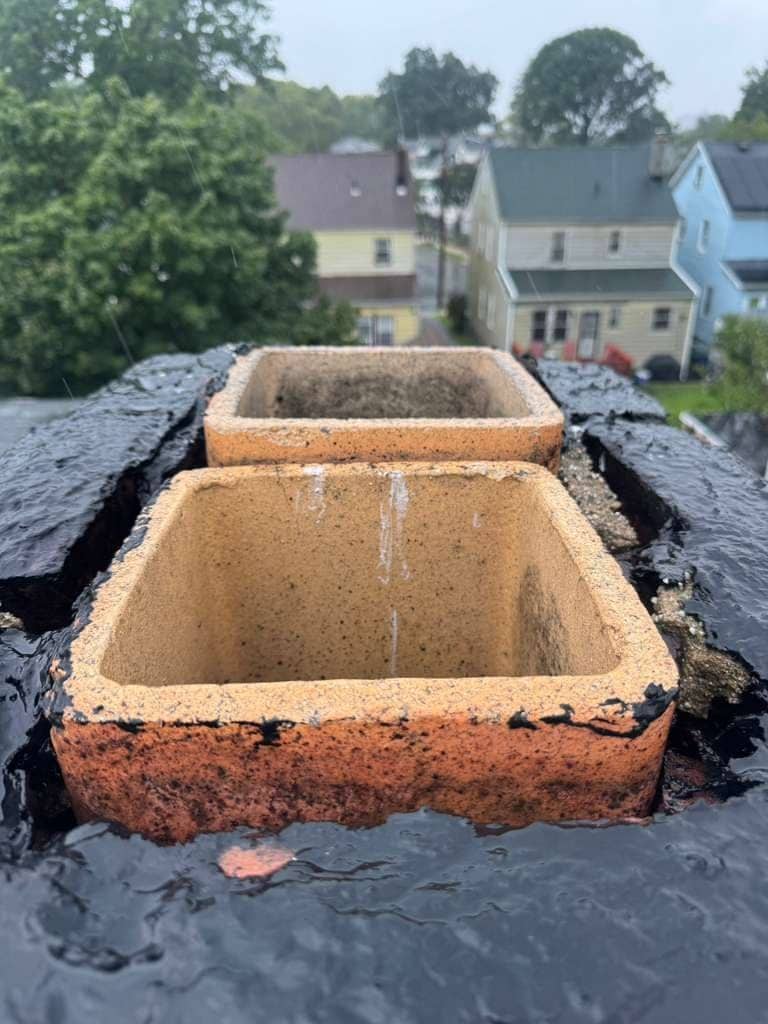
A Level 1 is the yearly check for a chimney whose use is not changing, with the same appliance, the same fuel and no sale in sight. It covers what can be seen and reached without opening anything, such as the crown, the damper, the connections and any obvious cracks or creosote. A Level 2 adds a video scan of the whole flue, including the parts hidden in walls and the attic, and it is what a sale or a fuel conversion asks for. Both end with a written report and photos.
What a Level 1 covers
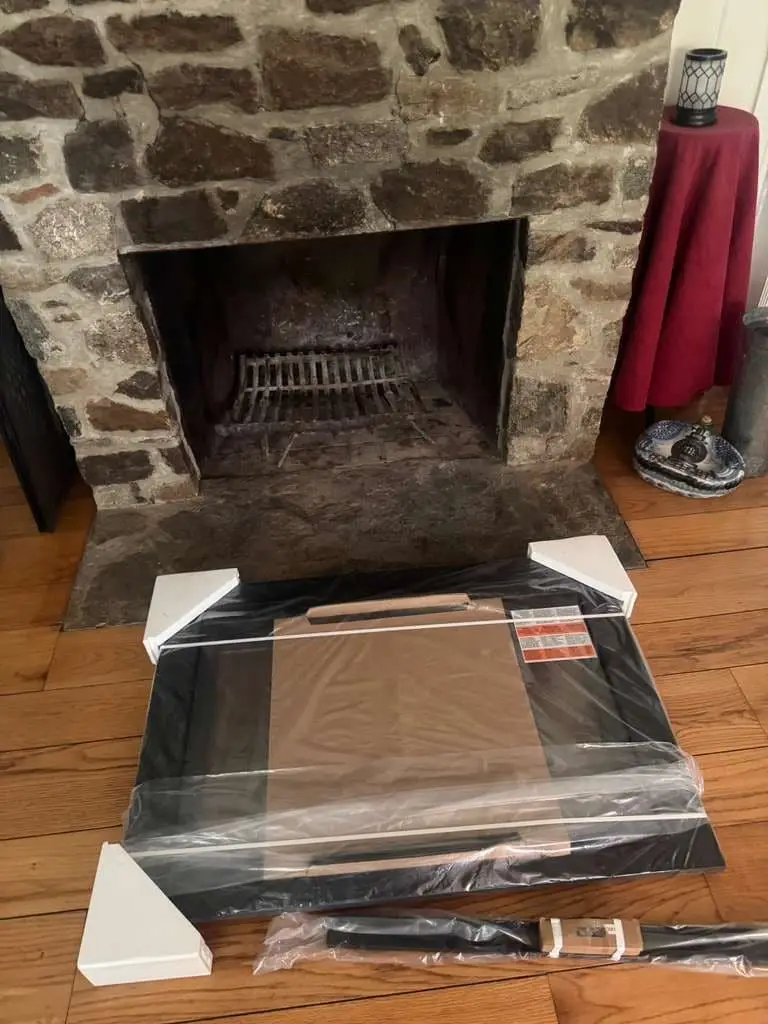
A Level 1 is the yearly visit most homeowners need when nothing about the chimney is changing. The inspector looks at the parts you can reach easily, meaning the firebox, the damper, the smoke chamber and the flue as far as a light and a mirror show it, and checks for creosote, soot, cracks and safe clearance to anything combustible. Nothing is opened and no camera goes down the full flue. That is the job of a Level 2.
- Firebox, damper and smoke chamber
- Creosote or soot you can see
- The flue lining as far as it shows from the firebox and the roof
- Basic clearance to wood framing
A buyer, an agent or a title company wants findings on paper. A written report gives them that.
What a Level 2 adds
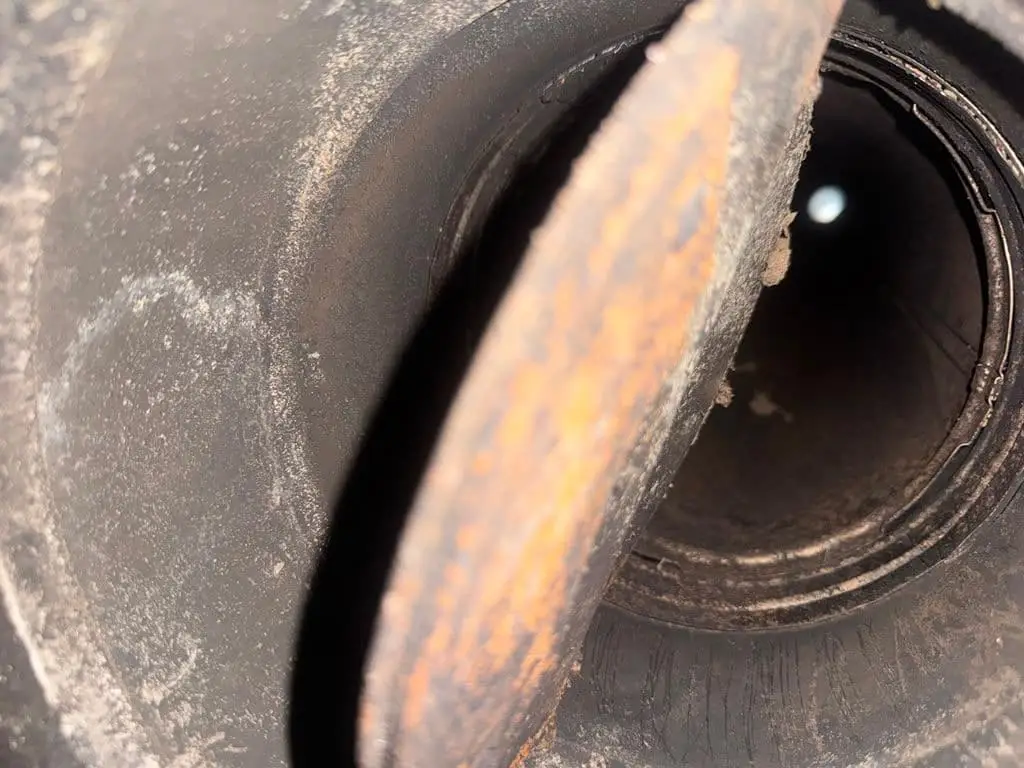
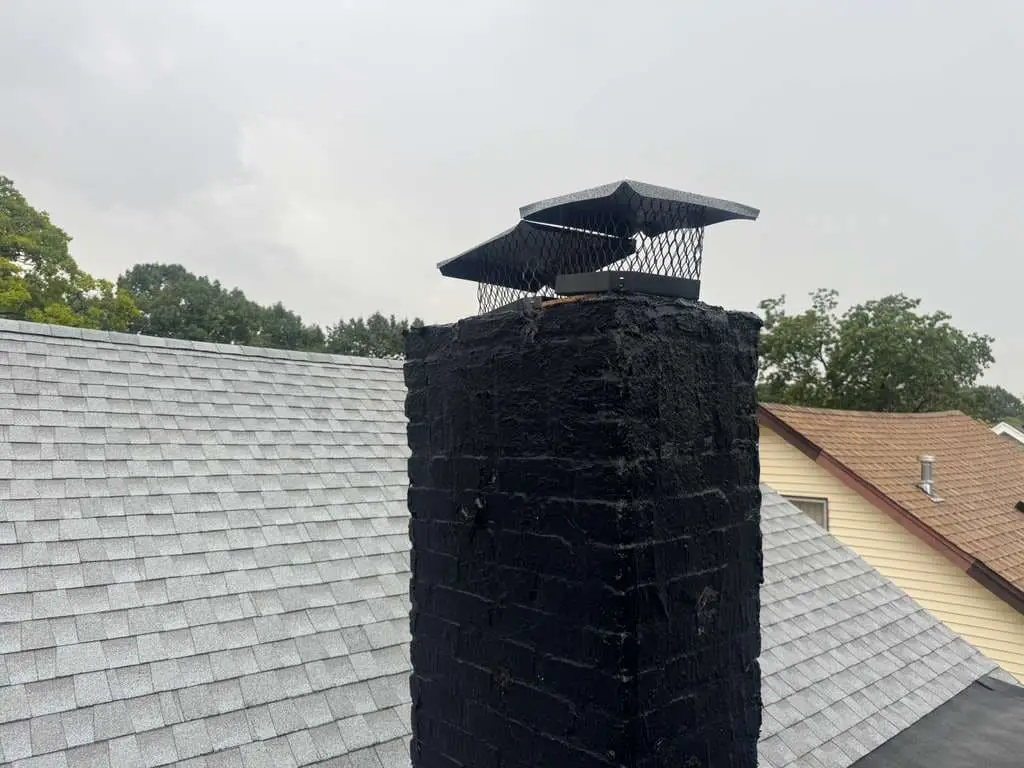
A Level 2 adds a video scan that follows the flue beyond the reach of a flashlight, through the attic, behind wall cavities and into sections a Level 1 never sees. It is requested before a house changes hands and before a contractor changes the fuel an appliance burns. A Level 1 can spot a cracked crown from the roof. A Level 2 shows what that crack has let into the flue below it.
Why Bridgewater homeowners book a Level 2
Most Level 2 inspections we do come from one of two moments. New Jersey requires a smoke and carbon monoxide alarm certificate before a one or two-family home is sold, and a working fireplace or wood stove is exactly what buyers and agents want documented. And a fuel conversion hands the new appliance a flue sized for the old one. In Bridgewater, 417 households still heat with oil and 228 with LP, so conversions keep coming, and New Jersey's chimney verification form for them has to be signed by the installer.
- Selling or buying the house
- Switching an appliance from oil or LP to gas
- After a chimney fire, a storm or other damage
The code behind the inspection
New Jersey's code for one and two-family homes now follows the 2024 edition of the International Residential Code, with chimneys and fireplaces in Chapter 10 and dryer and exhaust rules in Chapter 15. When an inspection leads to an appliance swap, the contractor installing the new equipment files the state chimney verification form, UCC F370, certifying that the flue is lined and sized for what goes in. The form itself says a homeowner may not submit it in place of the required inspection.
Reviews on our Google listing
Chimney inspection questions
What separates a Level 2 inspection from a Level 1?
A Level 1 checks what can be seen and reached, including the firebox, the damper, the smoke chamber and the flue as far as a light shows. A Level 2 adds a video scan of the full flue, hidden sections included, and it is the one a sale or a fuel conversion calls for.
Do I need a chimney inspection to sell a house in New Jersey?
New Jersey requires a smoke and carbon monoxide alarm certificate from the local fire official before a one or two-family home is sold. Buyers and agents often ask for a written chimney inspection as well when the house has a working fireplace or stove.
Will I get the results in writing?
Yes. Every inspection ends with a written report and photos, so you have more than our word to show a buyer, an agent or a contractor.
We are switching from oil to gas. Does the chimney need an inspection first?
Yes. A flue sized for oil is not automatically right for gas, and the contractor installing the new equipment has to sign New Jersey's chimney verification form, UCC F370. A homeowner cannot sign it in their place.
How often should an unchanged chimney be inspected?
NFPA 211 calls for chimneys, fireplaces and vents to be inspected once a year, used or not. A Level 1 covers that yearly check.