
Chimney sweeping in Bridgewater, NJ, that starts with a camera
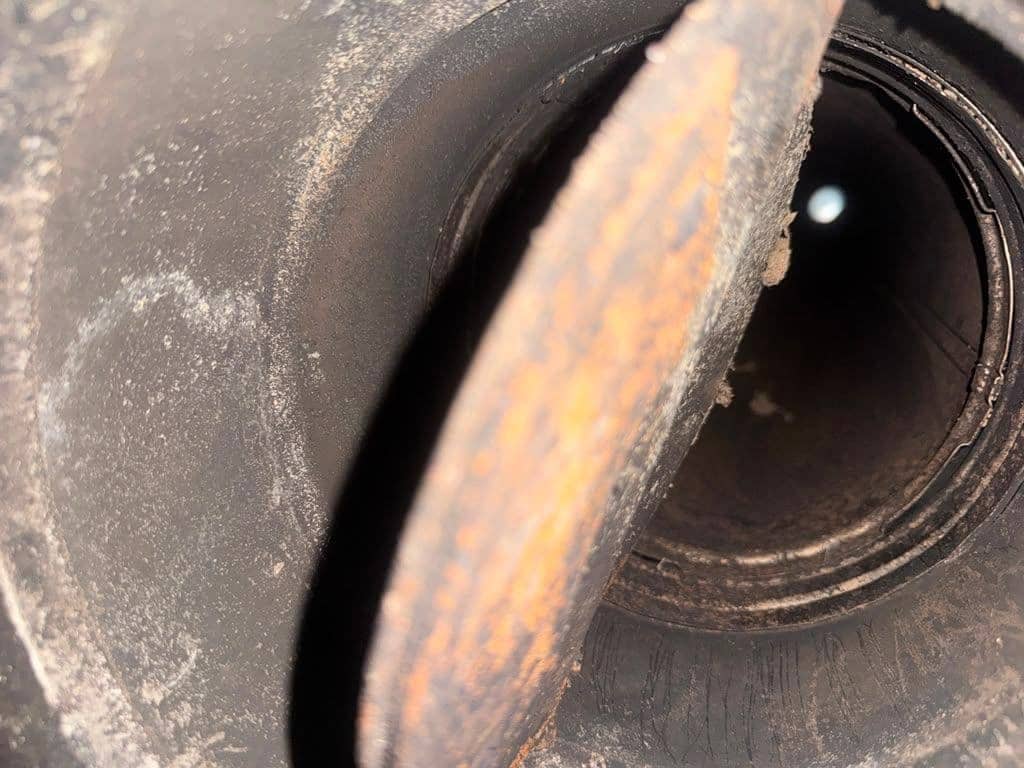
A camera goes into the flue before any brush, and you watch on a screen what has collected in there, whether that is creosote, a damper stuck half open or a cracked tile. Then rods, brushes and a HEPA vacuum sealed to the firebox do the cleaning, and the before and after photos are yours.
Our main chimney service
Every sweep we do opens with the camera. It runs up the flue and the picture goes to a monitor, so you see the same creosote or blockage we see. Then the brushes come out, chosen for a wood, oil or gas flue, while a HEPA vacuum fixed to the firebox opening catches what falls before it reaches the hearth. NFPA 211 asks for a chimney inspection at least once a year, because the buildup that feeds a chimney fire is hard to spot from the room.
What the camera turns up
Plenty of flues have gone years without anyone looking inside, so the first camera pass usually finds something. It may be a layer of creosote, a damper that no longer closes tight or a cracked flue tile caught while it is still a small repair. In Bridgewater that check matters for more than wood fireplaces. 417 households in the township heat with fuel oil and 228 with LP, and no utility crew ever looks down those flues. You see whatever the camera finds on the screen before we decide anything.
- How far creosote has built up on the walls
- Whether the damper opens and seals
- Cracks or open joints in the flue tile
- Nests, fallen debris or a damaged liner
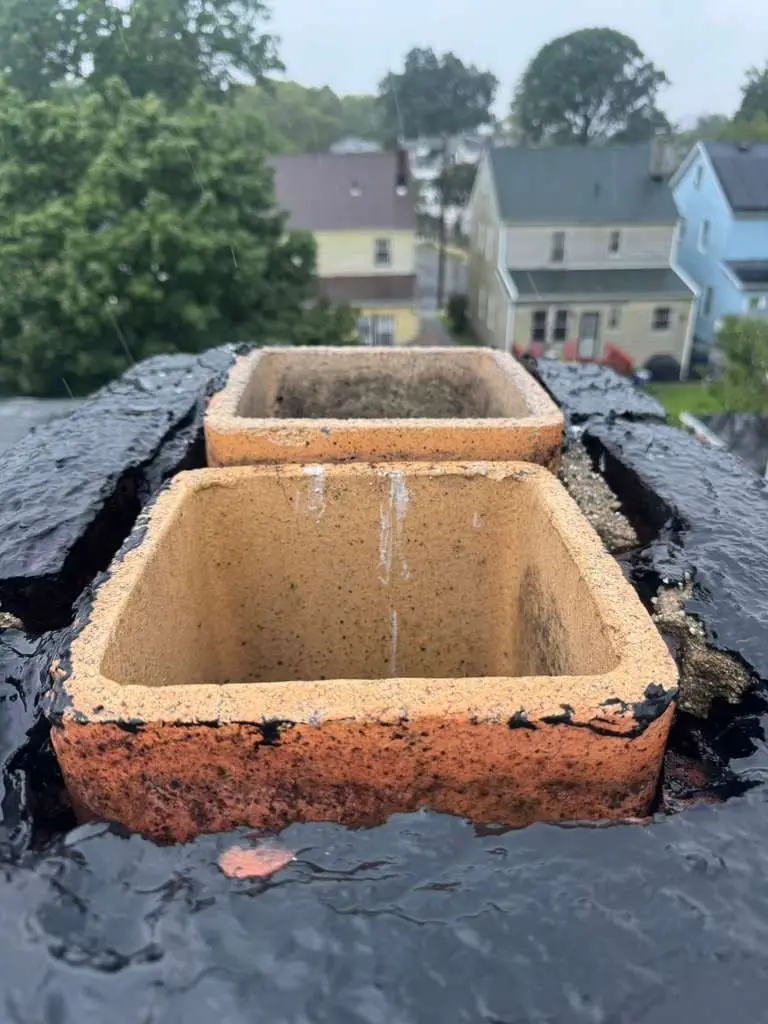
Before a brush goes in, you look at the inside of your flue on our monitor.
Rods, brushes and a sealed HEPA vacuum
With the camera findings in hand, we clean from the firebox upward using rods and brushes sized to your flue. The HEPA vacuum stays sealed against the firebox opening from the first stroke to the last, so loosened soot goes into the machine and not onto the mantel. Drop cloths cover the hearth and the furniture nearby before we start and stay there until the vacuum is switched off.
Wood, oil and gas in Bridgewater homes
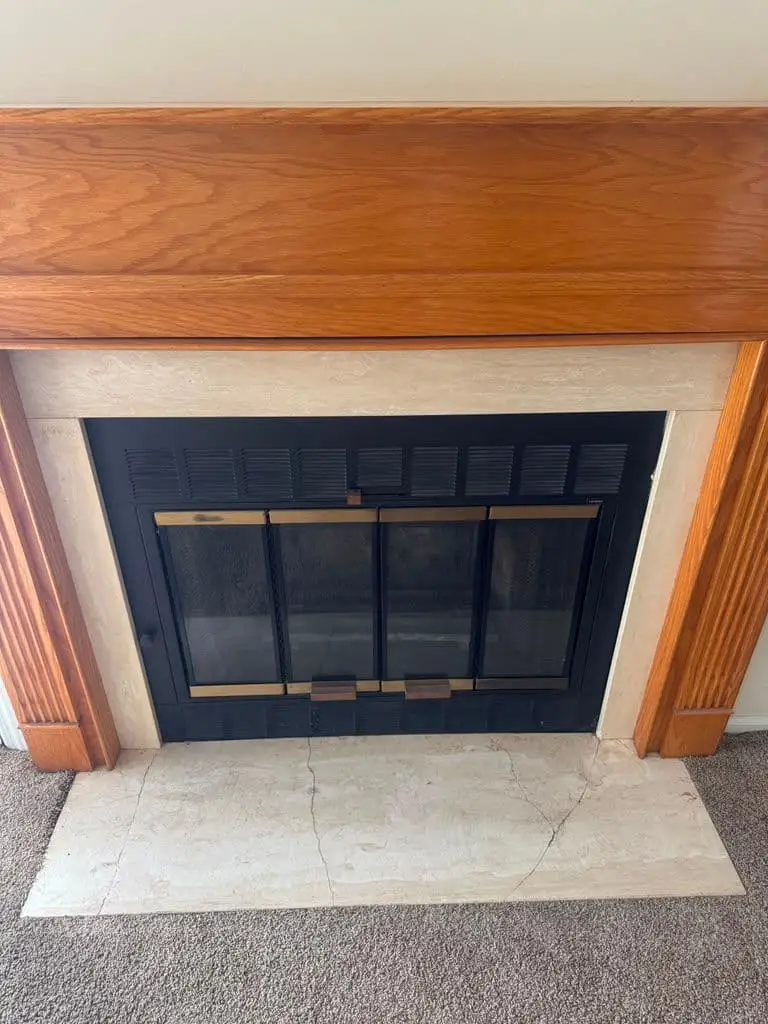
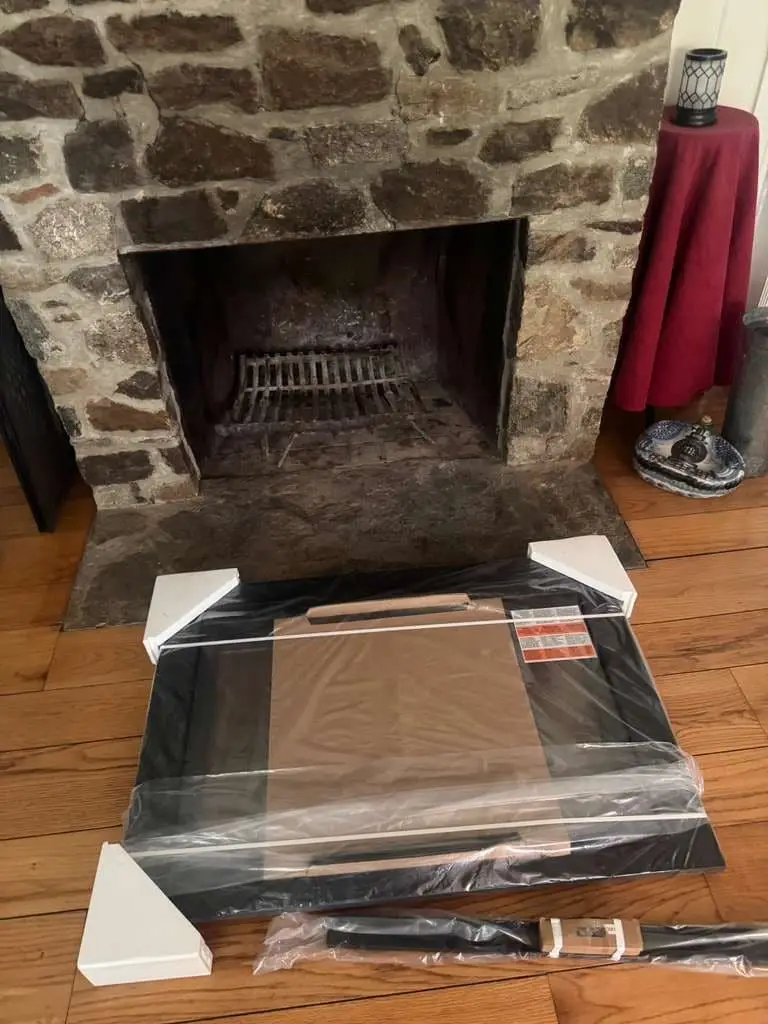
Most Bridgewater homes heat with gas, yet oil and LP are still in hundreds of houses, and a fireplace may burn wood above a gas furnace in the same house. Many homes were built between 1960 and 1999, so the flue behind the wall may be brick and clay tile or a factory-built metal system. Whatever the fuel and the build, the sweep covers the same ground.
- Wood fireplaces and inserts cleaned to the bare flue
- Oil flues checked for acid glaze and scale
- Gas vents confirmed open and drafting
- Factory-built chimneys checked at the chase
A form most homeowners never see
When a furnace, boiler or water heater is replaced in New Jersey, the installer signs a state chimney verification form saying the flue is substantially clean of residue from its previous use before the new appliance is connected. Few homeowners ever see that form, because it goes straight into the permit file. A sweep before the replacement is what gets the flue into that condition, and the photos from the visit stay with you as your own record.
Reviews on our Google listing
Chimney sweeping questions
Will the sweep leave soot in the house?
We cover the hearth with drop cloths and keep the HEPA vacuum sealed to the firebox for the whole brushing, so what comes loose goes into the vacuum.
Can I watch what the camera sees?
Yes. The camera feeds a monitor during the visit, so you see the same creosote or crack we do, as it happens.
What do I get when you finish?
Before and after photos to keep. Anything the camera flagged, such as a cracked tile, is photographed as well.
How often should a chimney be swept?
NFPA 211 asks for an inspection at least once a year, and the inspection shows when a sweep is due. Buildup that starts a chimney fire is rarely visible from the room.
Does a chimney sweep need a permit?
No. Sweeping and inspection are not permitted work under the New Jersey construction code. A permit only comes into it if the visit leads to a repair or a new liner.