
Chimney repair and sweeping in Plainfield, NJ
Plainfield's homes are old. Of its 16,712 housing units, 61.7 percent predate 1960 and more than a third predate 1939, many of them big Victorian frame houses in the Van Wyck Brooks and Crescent Area historic districts. About half of the housing sits in two-family or larger buildings, so shared chases are common behind those wide porches.
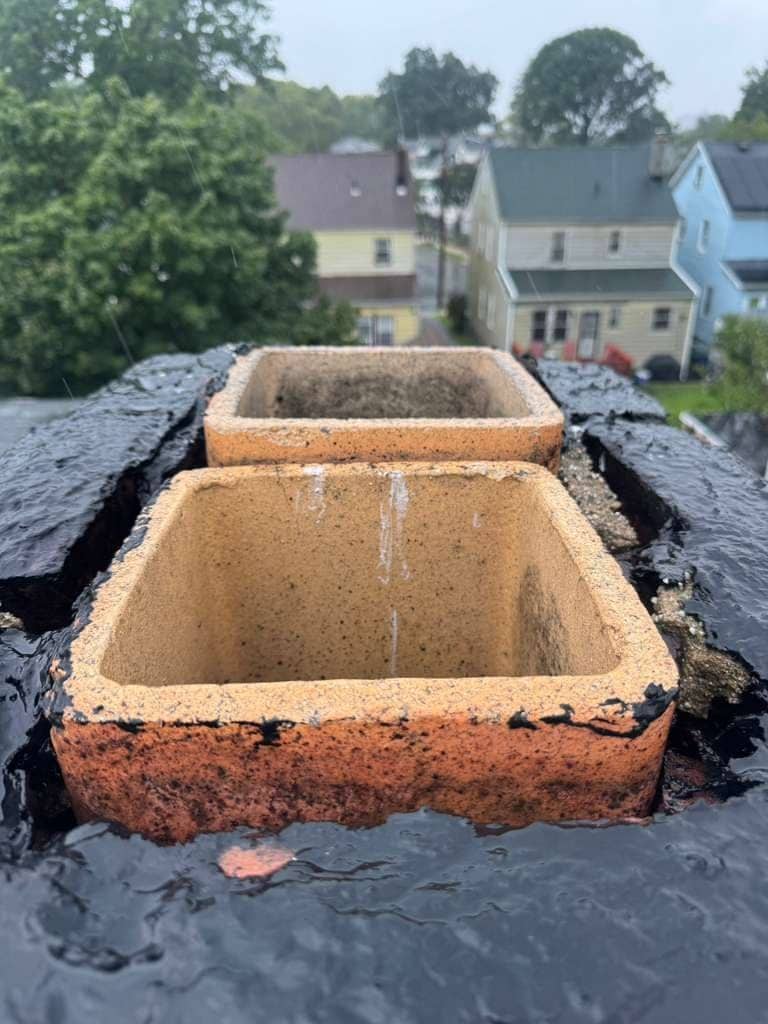
In brief
We sweep, inspect and repair chimneys across Plainfield, from the historic districts to the two-family streets, and we clean dryer vents and ducts for owners and landlords.
What we run into in Plainfield
Age shows everywhere in Plainfield. Of the 16,712 housing units, 61.7 percent predate 1960, and 35.7 percent predate 1939. The oldest stock sits in the Van Wyck Brooks and Crescent Area historic districts, where large late Victorian and Second Empire frame houses still stand on their original masonry chimneys. The city is more mixed than its detached houses suggest. Single-family detached homes are the biggest category at 42.3 percent, yet about 53 percent of units are in two-family or larger buildings, which puts many flues into shared chases and party walls. With 3.9 percent of households still on oil, a switch to gas here still needs the flue checked and certified for the new appliance.
Places we drive to in Plainfield
- Van Wyck Brooks Historic District
- Crescent Area
- Netherwood Heights
- Sleepy Hollow
- the West End
Services we bring to Plainfield
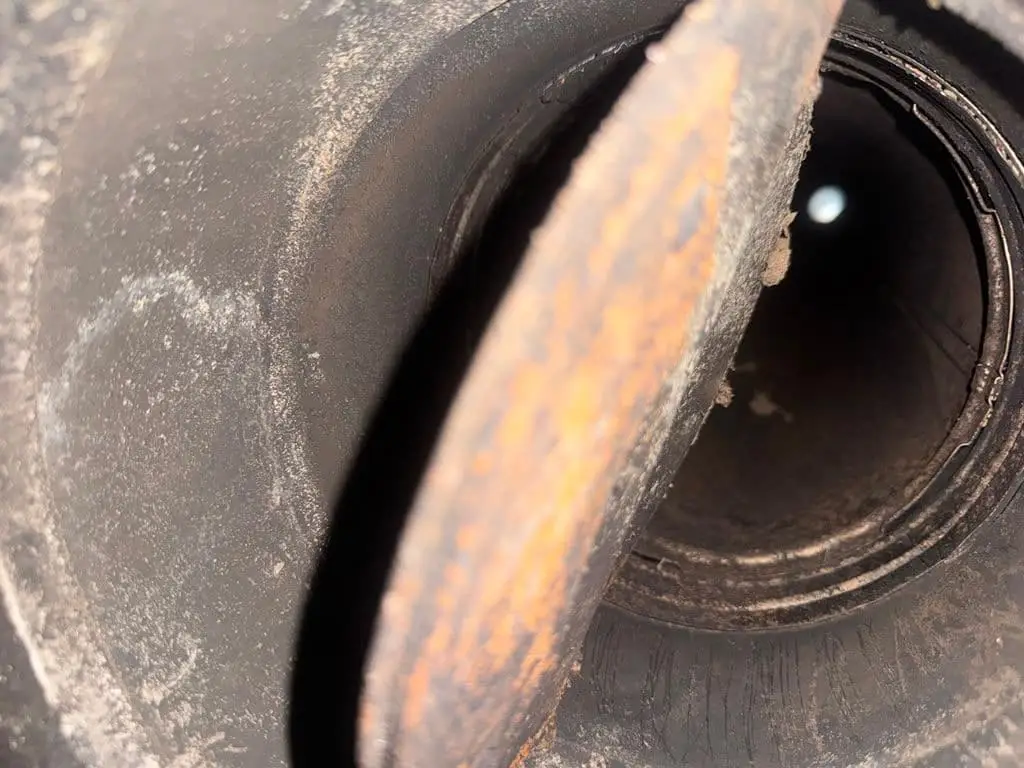
- Chimney sweepCamera check first, then brushes and a HEPA vacuum
- Chimney inspectionsLevel 1 or Level 2, written up after the visit
- Chimney repairsCrown, cap, flashing and liner repairs that stop leaks
- Fireplaces and stovesDampers, gaskets, glass doors and pilot lights
- Dryer ventsLint pulled out of the full run, wall cap included
- Duct cleaningAn honest look first, then cleaning if it helps
- Duct repairCrushed, torn or sagging runs fixed or replaced
Reviews on our Google listing
Plainfield homeowners ask
How old are most Plainfield homes?
Most predate 1960, and 35.7 percent predate 1939. Much of the oldest housing is in the Van Wyck Brooks and Crescent Area historic districts, where big frame houses still use their original masonry chimneys.
We own a two-family house. Does the chimney serve both units?
Often it does. About half of Plainfield's housing is in two-family or larger buildings, and a shared flue is common. We inspect the whole chimney and tell both households what we find.
Who handles chimney permits in Plainfield?
The city's own construction office, since New Jersey enforces its code town by town and there is no county permit desk. If you have earlier paperwork on the flue, keep it handy when you call.
Our Plainfield home still heats with oil. What does that mean for the chimney?
Oil leaves acidic residue in masonry flues, so we look closely at the liner. If you switch to gas, the installer must certify that the flue suits the new appliance, and an oil flue often needs a new liner.
Our listing on Google Maps
Open the map to find Royal Chimney Repair Bridgewater on Google, or go to the listing to read reviews or write one.
Royal Chimney Repair Bridgewater
View the map