
Wood stove, insert and gas fireplace service in Bridgewater, NJ
Here the job is the unit in your living room, for example an insert with a damper that will not budge and a door gasket worn flat, or gas logs whose pilot keeps going out. From Bridgewater we sweep wood-burning units, test pilots and thermocouples and service dampers and gaskets.
In short
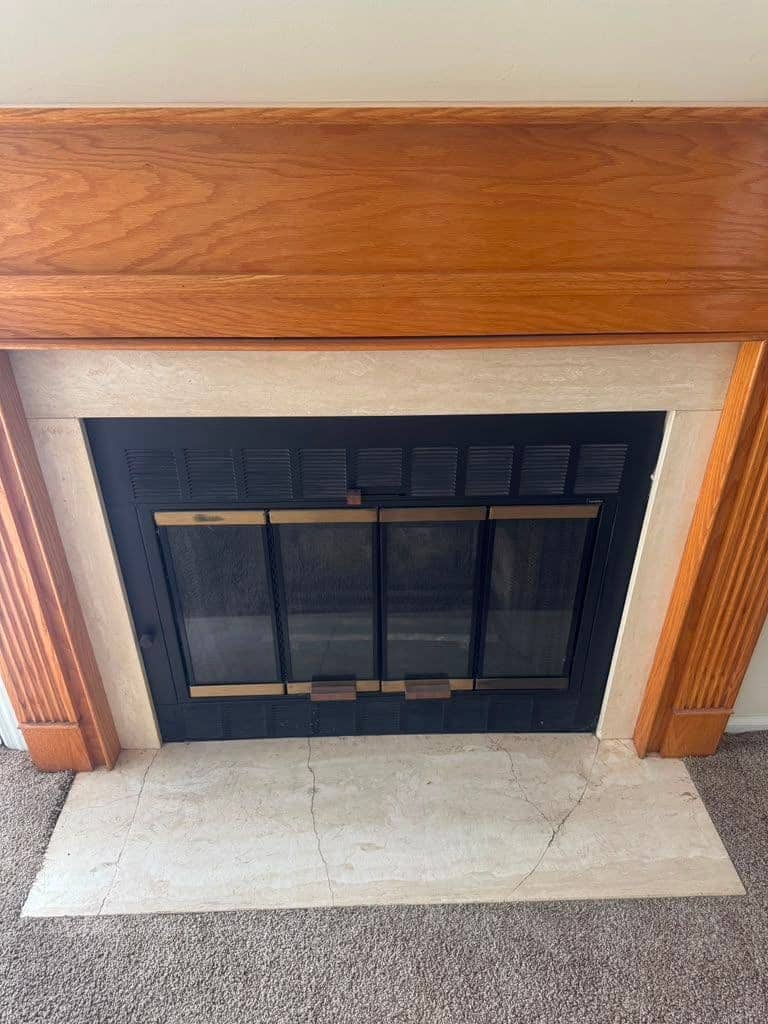
Yes. Our visits cover the fireplace or stove in the room and the chimney above it. Wood inserts and stoves are swept, gas logs that go out after lighting have their pilot and thermocouple tested, and a jammed damper or a worn gasket is freed or swapped. The heating survey only records the main fuel. On that basis Somerset County has just 209 wood-heated households and Bridgewater has 17, which leaves out every weekend stove and every fireplace used now and again.
Why the fuel count misses so many fireplaces
Each household answers one heating question in the survey, which fuel does most of the work. For Somerset County the answer is utility gas in 78.7 percent of homes and wood in only 209, with 17 of those in Bridgewater Township. A wood stove backing up a gas furnace has nowhere to go on that form, and neither does a decorative gas insert or a brick fireplace used on the coldest evenings. They still need the same upkeep.
- Freestanding wood stoves and wood inserts
- Gas inserts and gas log sets
- Prefabricated metal fireboxes
- Brick fireplaces that see a fire only once in a while
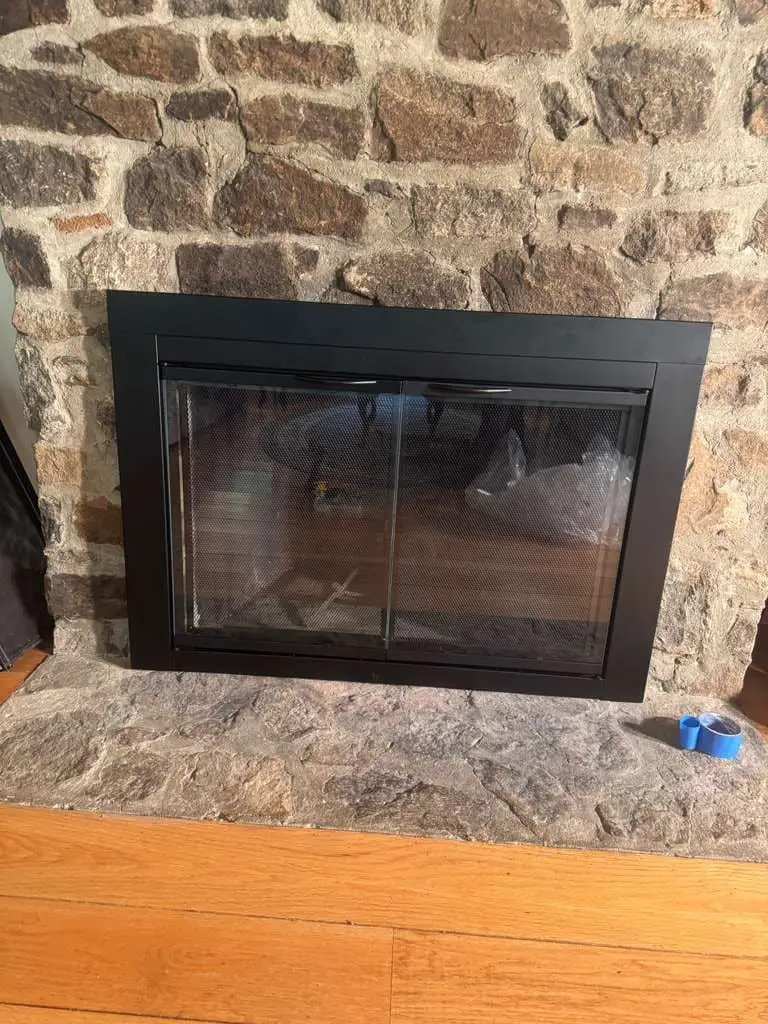
A fireplace lit only on a few cold weekends still needs its yearly check.
Pilots, thermocouples and gas log sets
Gas logs that catch and then die the moment you release the knob usually point to the thermocouple, the thin rod that lets the gas valve know a flame is burning. We look at the pilot flame, read the thermocouple's output and fit a new one if the reading is weak, cleaning or replacing the pilot orifice when soot has closed it down. On standing pilot units we also test the valve for gas seeping past its seat, which can cause a gas odor with the pilot apparently out.
Dampers and gaskets on wood-burning units
When a damper is jammed open, heated room air drifts up the chimney around the clock. When it is jammed closed, smoke rolls into the room as soon as the fire builds. We loosen rusted or bent dampers and set the throat damper or top plate so it seals all the way round. Door gaskets on inserts and stoves wear out quietly. Once the rope flattens, extra air feeds the fire, it burns hotter and goes through wood faster, and the unit looks perfectly normal.
- Throat dampers and top plates adjusted or swapped
- Bent or rusted dampers loosened so they shut completely
- Worn door and glass gaskets replaced
- The stovepipe collar and connector checked where they meet the chimney
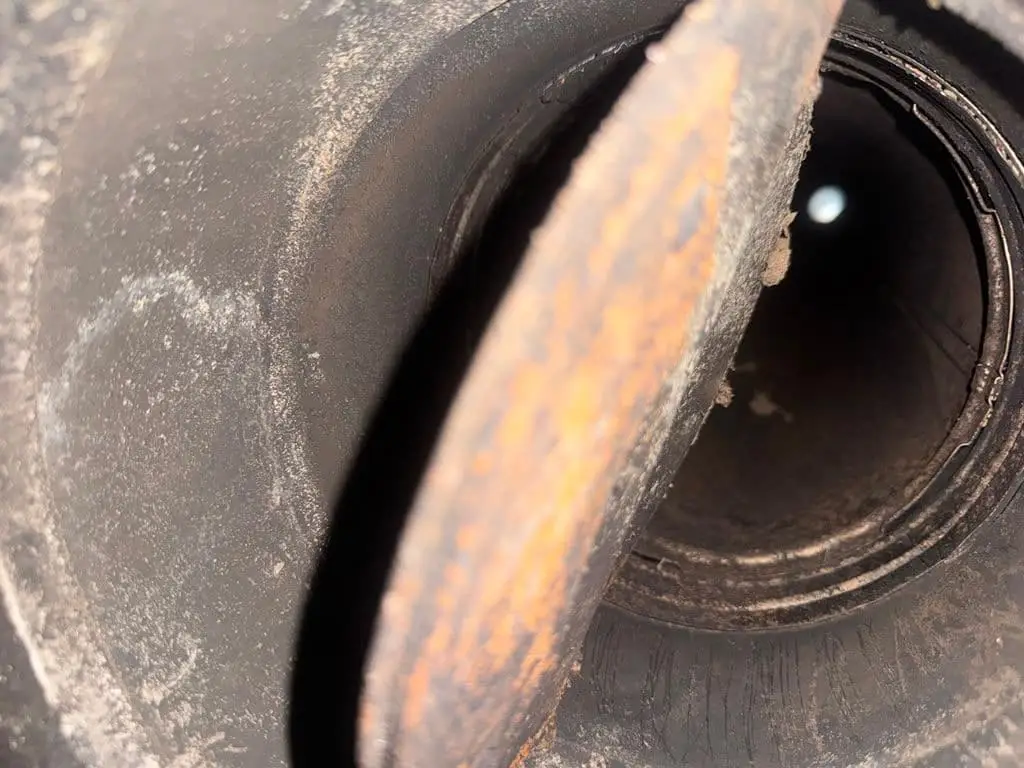
Stove and flue checked together
NFPA 211 calls for a yearly inspection of chimneys and connector pipes, so whenever we service a stove we also look up its flue. Clean glass on the door says nothing about a flue that has gone years without a sweep. Gas logs get the same treatment for a different reason. Their exhaust is cooler and carries more moisture than wood smoke, and a liner sized for an older appliance may not match the new one.
Reviews on our Google listing
Fireplace and stove questions
Do you service gas fireplaces or only wood-burning ones?
We handle both kinds. Gas logs get their pilot and thermocouple tested, wood stoves and inserts are swept, and dampers and gaskets are looked after whichever fuel you burn.
We light the fireplace only a few times a winter. Does it still need a yearly check?
Yes. NFPA 211 asks for a yearly inspection however often you light it, and a fireplace used a few nights a year never appears in the county's fuel figures.
Does a gas insert still need the chimney looked at?
It does, although we check different things than on a wood flue. With gas the focus is the venting and the state of the liner, and creosote is seldom a concern.
Can you replace the door gasket on our stove?
Yes. Replacing door and glass gaskets on stoves and inserts is everyday work, and we can do it during the same visit as the sweep.